红花之歌
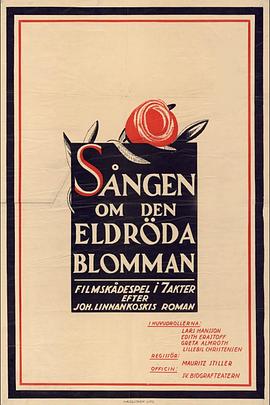
“Sangen Om Den Eldröda Blomman” ( “Song Of The Scarlet Flower” ) was a recent and remarkable silent surprise for this Herr Von; the oeuvre is an excellent Herr Stiller silent film that this German count watched in a newly restored and tinted copy. It combines the well-known aesthetics, technical improvements and artistic merits for which the Nordic director was known and praised since those early silent times till today. The film tells of the merry and carefree love life of young Olof ( Herr Lars Hanson ) a woodsman who during his search for true love, seduces many frauleins ( just like this German aristocrat… well, not exactly because the purpose of this Herr Von’s seduction of rich fräulein heiresses are their great fortunes… ). He will suffer disappointment and deception, all those problems that turn up in any loving relationship. Finally he will find responsibility and maturity, learning during his particular quest that his actions always have consequences in different degrees to the people around him. This Herr Von can describe “Sangen Om…” as a kind of coming of age film, the special introspective growth toward maturity of a free and easy youngster. As this German count said before, the film displays Stiller’s characteristic artistic virtues. ; in the first part of the film, we can see elements of comedy, not exactly like the comedy of intrigues in other Stiller films, but humor of a more cheerful sort, highlighting the self-involvement of our hero. Olof ‘s frivolous flirtations with the different girls eventually turn romantic and then turn into drama. There is conflict in the troubled relationship between Olof and his father and later with the father of his beloved. The beautiful and wild natural landscapes of Norrland and northern Sweden lend the tale a certain power and is characteristic of Herr Stiller’s other silents where Nature emerges as an important character in the story. This is strongly reflected throughout the film but especially during the frantic scene wherein Olof descends into the troubled waters of a river, a beautiful metaphor for the hardships that our hero has to endure until he finds himself. “Sangen Om Den Eldröda Blomman” is an excellent, beautiful film, a solid, technically perfect and intricate production of 1919 that demonstrates once again the importance of Herr Stiller for silent film history.